


Comhairliúchán táirgí
Ní fhoilseofar do sheoladh ríomhphoist. Tá réimsí riachtanacha marcáilte -
A production engineer in a packaging company opened a replacement panel for a drying tunnel and found one air heating tube burnt out after only six months of operation. The replacement tube looked nearly identical to the one it was replacing, but the watt density on the label was significantly higher than the original specification. This is a common failure pattern in U-shaped air heating tubes when the element is selected without considering the actual air velocity in the duct. The conclusion from our 30 years of building air heating elements is straightforward: the manufacturer you choose must control the entire process, from wire diameter and MgO compaction to sheath material and final resistance testing. If any part of that chain is outsourced or skipped, the tube will not survive the heat load your application demands.
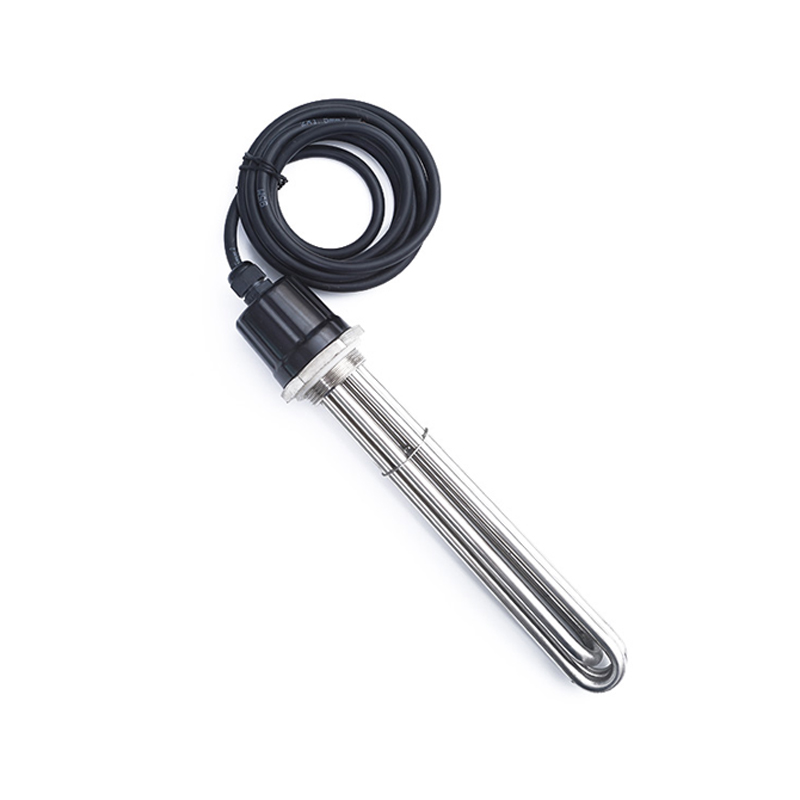
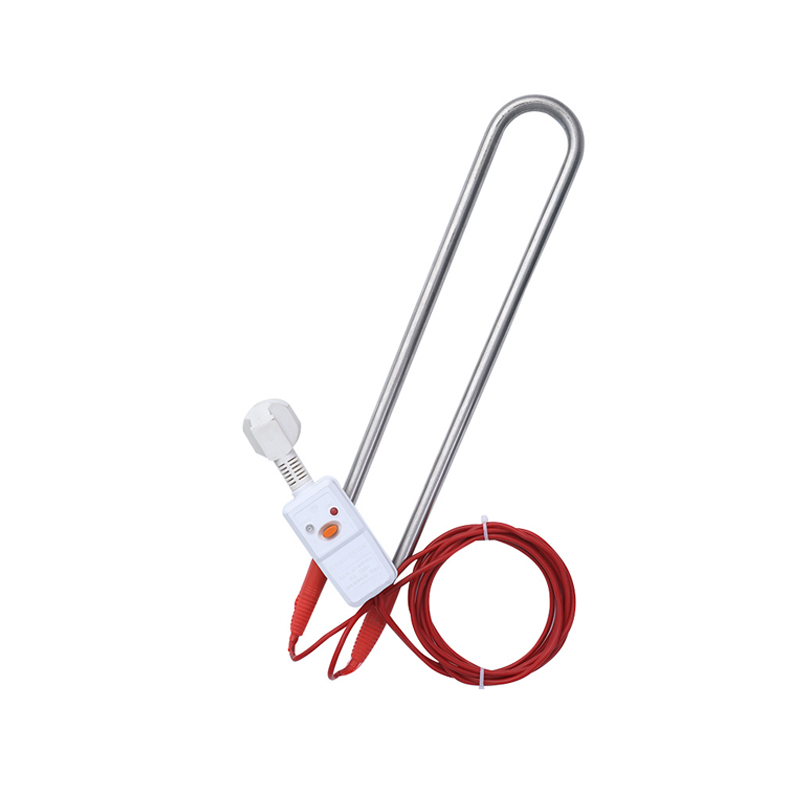
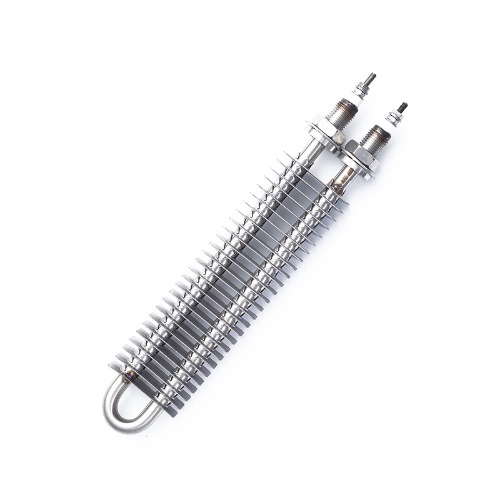
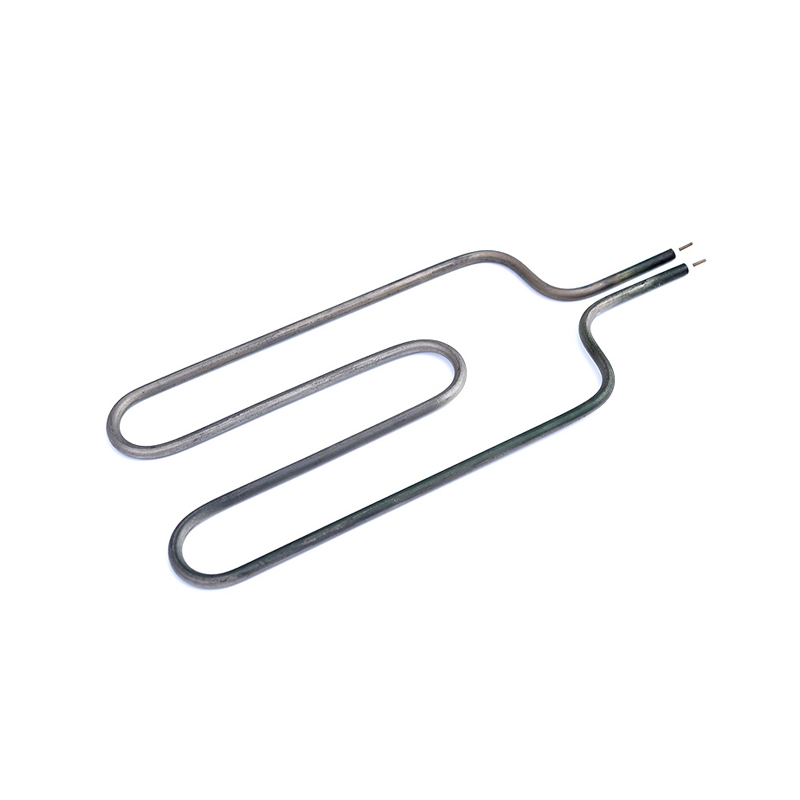
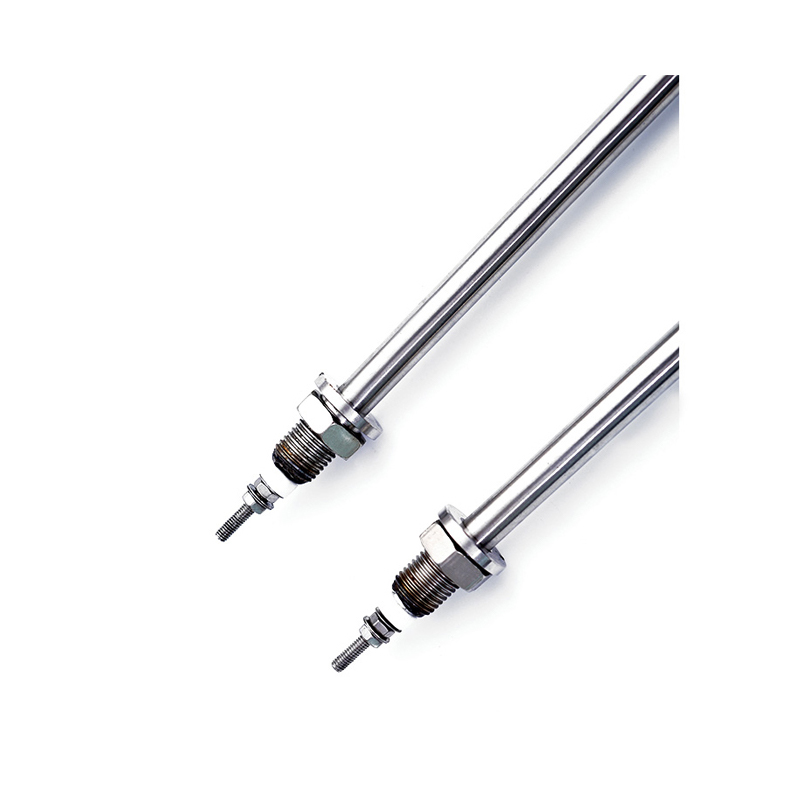 U-Shaped Air Heating Tube for Uniform Heat Distribution This U-shaped tube optimizes space and ensures uniform heat transfer, making it suitable for industrial drying and heating systems. With high-temperature resistance and efficient conversion, it offers reliable performance and reduced energy consumption. View Product →
 An air heating tube is a resistance heating element installed in a forced or natural convection air stream. It converts electrical energy into heat, and the moving air carries that heat into the process or product. The performance of the tube depends on the interaction between the wire temperature, the sheath temperature, and the air velocity.
The most common construction is a tubular element with a Nichrome resistance wire centered inside a metallic sheath. The space between the wire and the sheath is filled with highly compacted magnesium oxide (MgO). This layer serves two purposes: it electrically isolates the wire from the sheath and it conducts heat outward. If the MgO is packed loosely or contains voids, the wire develops hot spots, and the tube fails prematurely.
Standard sheath materials include stainless steel 304, 316, 321, and Incoloy 800. The choice depends on the operating temperature and the presence of corrosive agents. For most air heating applications below 400°C, stainless steel 304 is sufficient. For higher temperatures or chemical exposure, Incoloy 800 or nickel alloys become necessary.
When air moves freely over a plain tube, the heat transfer coefficient is limited by the boundary layer of air clinging to the surface. Fins break up that boundary layer and add surface area, which dramatically improves heat transfer. This is why many industrial air heating systems use finned tubes.
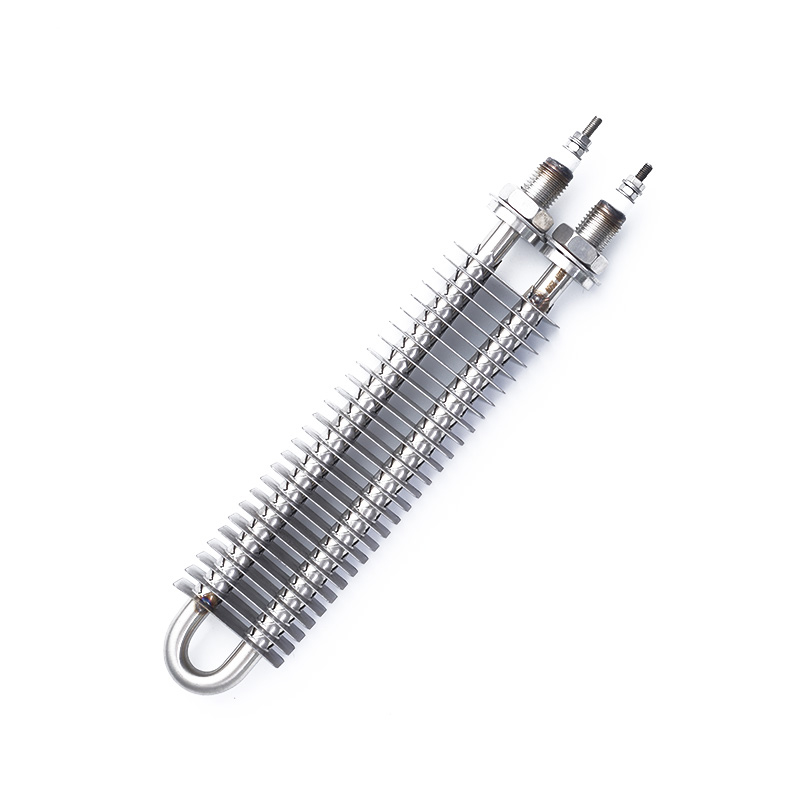
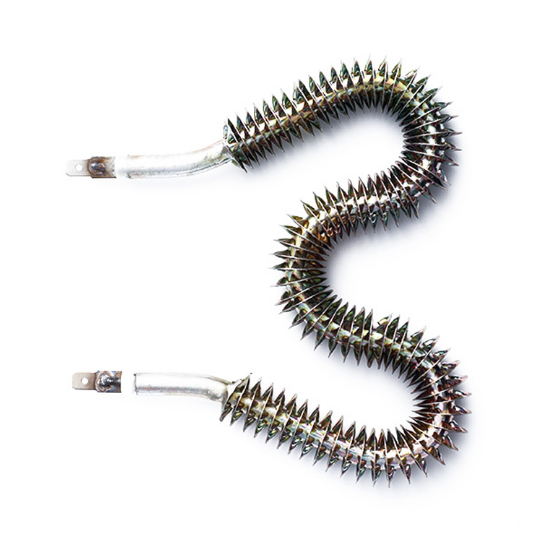
A W-shaped finned air heating tube , for example, can handle significantly more wattage at the same sheath temperature than a bare tube of similar length. The practical benefit is a lower surface temperature, which means longer element life and more stable air output temperature.
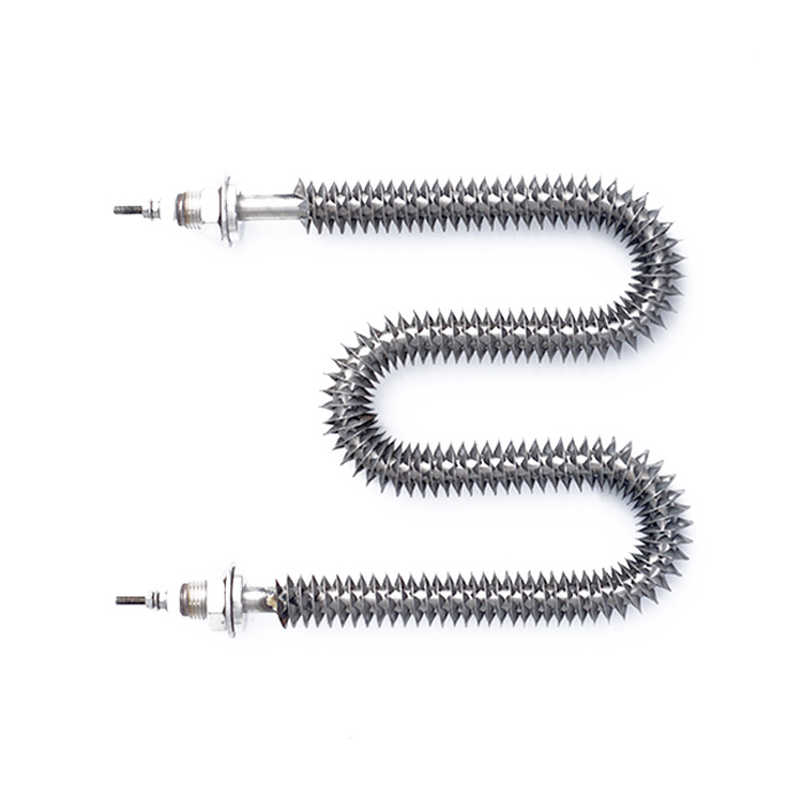
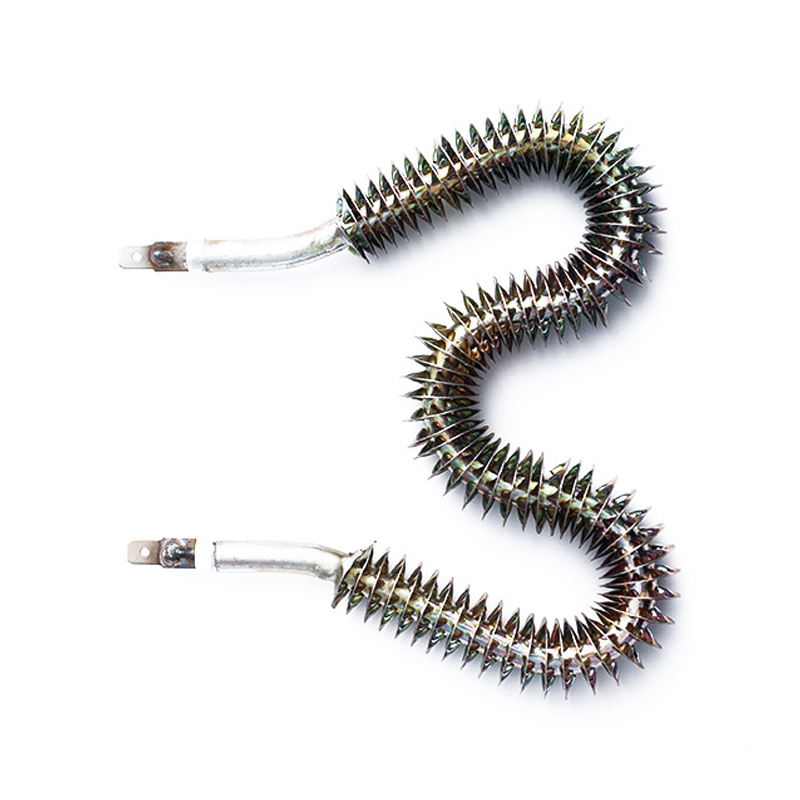 W-Shaped Finned Heating Tube for Enhanced Heat Transfer The W-shaped fins increase surface area to maximize heat transfer, improving thermal efficiency and reducing energy costs. Ideal for boilers and heat exchangers, it maintains even temperature and durability in high-temperature applications. View Product →
 The tradeoff is cost and cleanliness. Fins collect dust in dirty environments, so you need to weigh the efficiency gain against maintenance requirements. In clean processes such as packaging machinery or optical curing, finned tubes are usually the correct choice.
The table below shows common air heating tube configurations and the typical applications each one suits. Knowing the differences helps you communicate your requirements to a manufacturer without guesswork.
| Tube Type | Typical Application | Watt Density Range | Key Advantage |
|---|---|---|---|
| U-shaped | Convection ovens, drying cabinets, industrial furnaces | 1-3 W/cm² | Compact, installs from one side |
| W-shaped finned | Air duct heaters, forced convection systems | 2-4 W/cm² | High heat transfer in moving air |
| O-shaped | Circulating air chambers, small drying spaces | 1-2 W/cm² | Smooth airflow, even heating |
| Coil or spring | High-temperature testing, small duct applications | 1-3 W/cm² | Flexible length, rapid response |
| Oven-specific | Baking ovens, food processing equipment | 1-2 W/cm² | Even top and bottom heat distribution |
Watt density is a critical factor in air heating tube selection. It is a measure of how much heat is generated per unit of surface area. The watt density calculation directly influences sheath temperature and therefore tube lifespan. For air heating, keeping watt density in the 1-3 W/cm² range is typical, but the exact value depends on air velocity and the required air outlet temperature.
When a manufacturer quotes a low price, the shipping container often includes an invisible cost: field failures. Here are the most common problems we see in imported air heating tubes, and what you can do to prevent them.
The most important difference between a genuine factory and a trading company is the depth of process control. A real manufacturer can adjust wire diameter, coil pitch, sheath diameter, and MgO density to meet your specific requirements. A trader can only resell standard stock.
When evaluating a manufacturer, look for these indicators:
A reputable supplier will also tell you when a standard part will work and when you need a custom design. That honest guidance is often more valuable than a low quote.
Different machines use air heating tubes in different ways. An oven air heating tube in a food oven needs to distribute heat evenly without creating cold or hot zones. A finned tube in a packaging machine needs to respond quickly to temperature changes. A duct heater in a paint shop must tolerate high air velocities and frequent on/off cycles.
 Oven Air Heating Tube for Even Baking and Energy Efficiency Designed for food ovens, this tube ensures uniform air circulation to prevent hot or cold spots, delivering consistent baking results. Its high thermal efficiency shortens cooking time while reducing energy loss. View Product →
 When you specify a tube, provide the following information to the manufacturer:
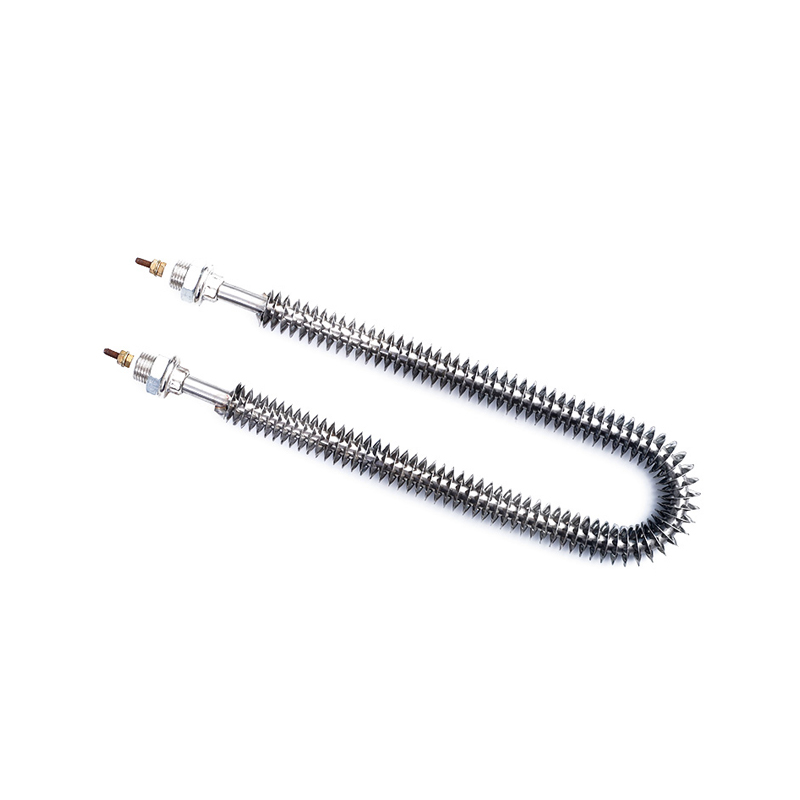
Finned tubes are an efficient choice for heat transfer in moving air , but the fin type must match the application. Corrugated fins suit moderate velocities, while square or O-shaped fin profiles offer specific benefits in certain duct layouts.
The most reliable way to source air heating tubes for your equipment is to contact a manufacturer with a clear drawing or a written list of requirements. Ask the manufacturer to confirm the watt density they recommend, the sheath material they will use, and the testing they can provide with each shipment. A supplier that answers these questions with data is more likely to be a partner you can rely on for years.
At Xinghua Yading Electric Heating Element Co., Ltd., we have manufactured and exported electric heating components for over 30 years. Our product range includes finned and non-finned air heating tubes, cartridge heaters, immersion heaters, and thermocouples. Every order is assembled, tested, and packed in our own facility, and we ship to more than 25 countries. If you would like us to review your application and recommend a specific tube configuration, send us your specifications and we will respond with a technical proposal.
Conas a roghnaíonn mé an dlús wattage ceart le haghaidh téitheoir coil rádala te?
Aug 19,2026
No previous article
Jan 01,1970Ní fhoilseofar do sheoladh ríomhphoist. Tá réimsí riachtanacha marcáilte -